
Explore Shark Tooth Island : The Best Time to Visit Shark Tooth Island in the Cape Fear River, North Carolina
Introduction
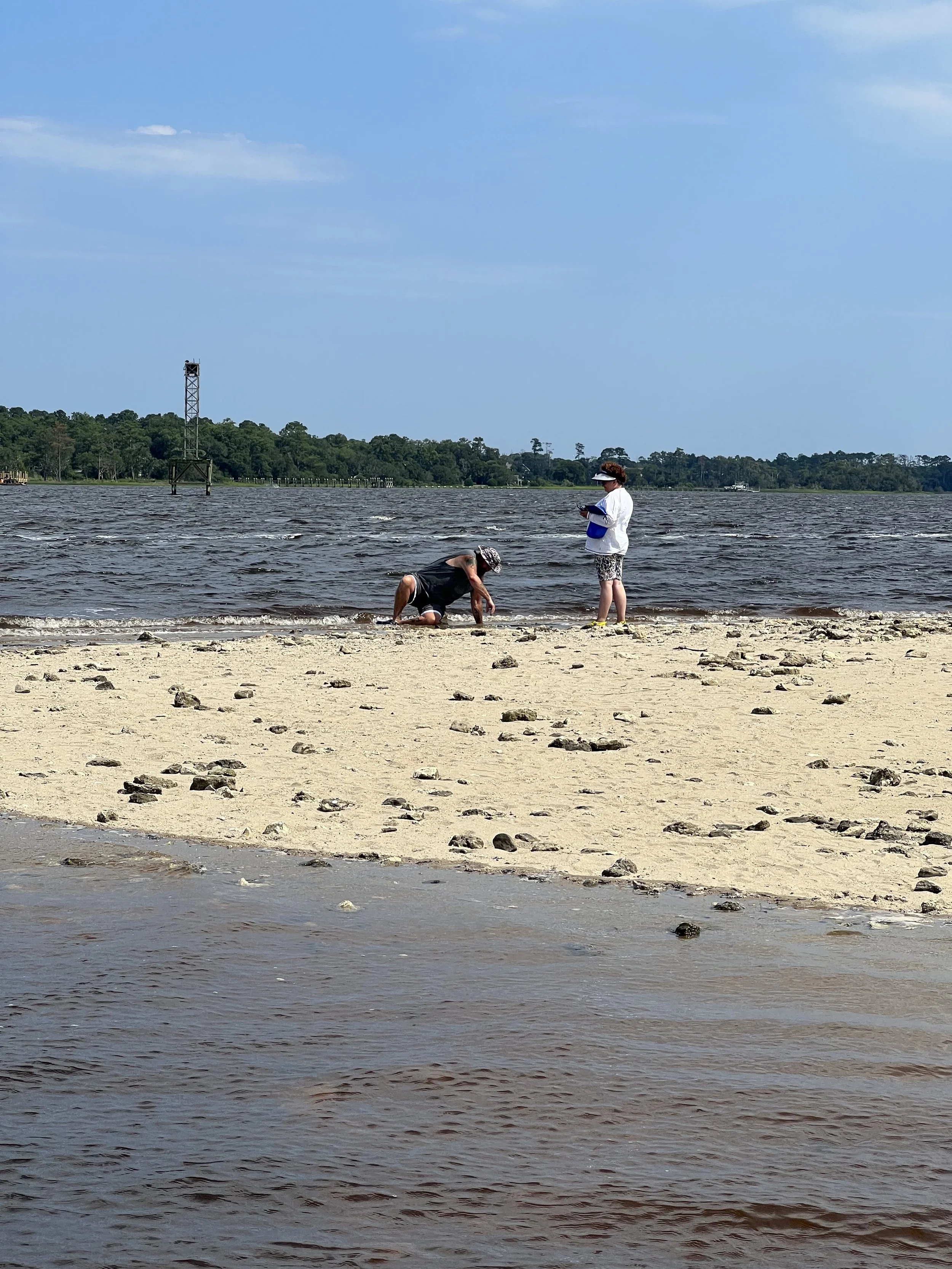
Tucked away in the winding waters of the Cape Fear River near Wilmington, North Carolina, Shark Tooth Island is one of the area’s most intriguing and underrated outdoor destinations. Known for its fossil-rich shoreline, scenic river views, and sense of untouched adventure, this small island has become a bucket-list spot for locals, boaters, families, and fossil hunters alike.
Shark Tooth Island isn’t a typical beach destination. There are no boardwalks, concessions, or crowds, just shifting sandbars, tidal currents, and the exciting possibility of uncovering prehistoric shark teeth that date back millions of years. Because the island is constantly shaped by river flow, tides, and weather patterns, timing your visit is essential to having a safe, enjoyable, and productive experience.
In this guide, we’ll break down the best time to visit Shark Tooth Island, season by season, while also covering weather conditions, wildlife activity, boating considerations, and safety tips. Whether you’re planning a family outing, a fossil-hunting adventure, or a peaceful escape into nature, this comprehensive guide will help you choose the perfect time to explore one of southeastern North Carolina’s hidden gems.
Where Is Shark Tooth Island?
Shark Tooth Island is located in the Cape Fear River, just north of Wilmington, NC. It is only accessible by boat, kayak, or guided charter, which adds to its sense of seclusion and adventure. The island itself is not fixed, its shape and size change regularly due to tides, river currents, and storms, making every visit a little different from the last.
This dynamic environment is exactly what makes Shark Tooth Island such a hotspot for fossil hunters. The constant erosion and redeposition of sediment expose ancient marine fossils, including shark teeth, ray plates, and other prehistoric remnants.
Why Timing Matters When Visiting Shark Tooth Island
Unlike traditional parks or beaches, Shark Tooth Island is heavily influenced by:
Tides
River water levels
Seasonal weather
Boat traffic
Wildlife activity
Visiting at the wrong time of year or even the wrong time of day, can impact visibility, safety, and overall enjoyment. Understanding seasonal patterns helps ensure better conditions for fossil hunting, boating, photography, and relaxation.
Spring Awakening: Mild Weather and Active Fossil Hunting (March–May)
Spring is widely considered one of the best times to visit Shark Tooth Island, especially for first-time visitors.
Weather Conditions
From March through May, southeastern North Carolina enjoys mild temperatures, generally ranging from the mid-60s to low 80s. Humidity is lower than in summer, and cold fronts become less frequent as spring progresses. These comfortable conditions make it easier to spend several hours exploring the island without overheating.
Ideal Conditions for Shark Tooth Hunting
Spring is prime time for fossil hunting on Shark Tooth Island. Winter storms and fluctuating river levels often expose fresh sediment layers, revealing newly uncovered shark teeth and fossils along the shoreline. Lower vegetation growth also makes scanning the sand easier.
Because water clarity can improve during calmer spring days, shallow areas near the island may offer better visibility for spotting darker fossils against lighter sand.
Wildlife and Nature Viewing
Spring brings increased wildlife activity along the Cape Fear River. Visitors often spot:
Ospreys and bald eagles
Migratory shorebirds
Dolphins moving upriver
Turtles sunning on logs and sandbars
For nature photographers and birdwatchers, spring offers a vibrant and active ecosystem without the crowds of peak summer.
Why Spring Is a Top Choice
Comfortable temperatures
Fewer crowds
Excellent fossil exposure
Ideal for kayaking and small boats
Summer Adventure Season: Warm Water and River Fun (June–August)
Summer is the most popular season for visiting Shark Tooth Island, especially among boaters and families.
Summer Weather and Water Conditions
From June through August, temperatures often reach the upper 80s and low 90s, with higher humidity. While it can be hot, the cooling effect of the river breeze and water access makes summer appealing for those looking to swim, paddle, or relax near the shoreline.
Water levels tend to be stable, which can make boat navigation easier for experienced captains.
Activities That Shine in Summer
Summer is ideal for:
Boating excursions
Kayaking and paddleboarding
Swimming in shallow areas
Picnicking on sandbars
Family-friendly fossil hunting
Children often enjoy summer visits because shark teeth are easier to spot when water levels are low and sand is dry.
Crowds and Planning Ahead
Because summer coincides with peak tourism in Wilmington and Wrightsville Beach, Shark Tooth Island can be busier, especially on weekends. Planning a weekday trip or booking a guided charter early in the day can help avoid congestion.
Important Safety Considerations
Bring plenty of water and sun protection
Watch tidal schedules closely
Be mindful of boat traffic
Avoid afternoon thunderstorms common in summer
Fall Tranquility: Cooler Air and Fewer Crowds (September–November)
Fall is often overlooked but is arguably the most peaceful time to visit Shark Tooth Island.
Comfortable Weather and Scenic Views
Temperatures cool into the 70s and low 80s, humidity drops, and the river takes on a calm, glassy appearance during many fall mornings. The changing colors along the riverbanks add a scenic backdrop that’s perfect for photography.
Excellent Fossil Conditions After Summer Storms
Late summer and early fall storms can shift large amounts of sediment, exposing new fossil beds. After these weather events, Shark Tooth Island can be particularly productive for finding larger shark teeth.
Fewer Visitors, More Solitude
Once school resumes and summer tourism slows, the island becomes much quieter. Fall is ideal for:
Solo explorers
Couples
Photographers
Serious fossil hunters
Understanding Hurricane Season (June–November)
While Shark Tooth Island is accessible during hurricane season, visitors should always monitor weather conditions closely.
What to Know
Hurricane season officially runs from June through November
Storms can significantly alter the island’s shape
Strong currents and debris can make boating unsafe
Best Practices
Check marine forecasts before departure
Avoid visiting immediately after major storms
Consider guided charters for safer navigation
Winter Visits: A Hidden Opportunity for Experienced Explorers (December–February)
Winter visits to Shark Tooth Island are less common but can be rewarding under the right conditions.
Pros
Almost no crowds
Clear air and long sightlines
Potential for newly exposed fossils after winter storms
Cons
Cold temperatures
Higher river flow
Limited daylight
Increased safety risks
Winter trips are best suited for experienced boaters or guided excursions.
Best Time of Day to Visit Shark Tooth Island
Regardless of season, timing your visit around the tide is crucial.
Low tide is best for fossil hunting
Morning trips offer cooler temperatures and calmer water
Avoid strong outgoing tides if kayaking
Tips for a Successful Visit
Wear water shoes or boots
Bring mesh bags for fossils
Use sunscreen and insect repellent
Pack out everything you bring
Respect wildlife and natural habitats
Conclusion: Choosing the Perfect Time to Explore Shark Tooth Island
Shark Tooth Island in the Cape Fear River is a rare blend of adventure, history, and natural beauty. Each season offers something unique—from spring’s fossil-rich shores to summer’s river fun, fall’s quiet serenity, and winter’s raw, untouched landscape.
For most visitors, spring and fall provide the best balance of weather, safety, and fossil-hunting success, while summer delivers energy and accessibility for families and boaters. No matter when you choose to visit, careful planning and respect for the river will ensure an unforgettable experience.